


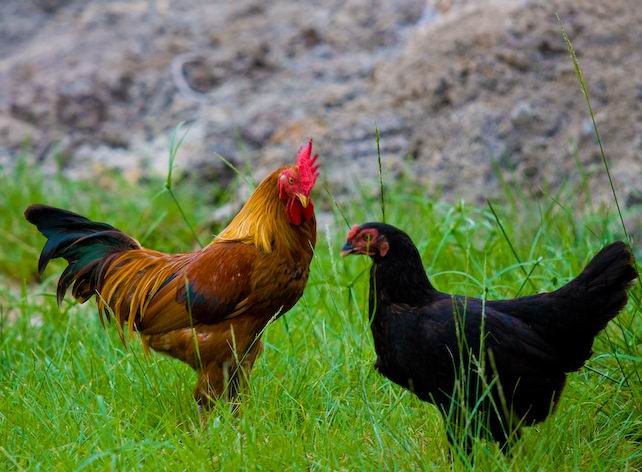
Change the chicken breeding system of extensive systems to semi-intensive or intensive system is not easy, let alone the traditional way of farming systems (extensive) is ingrained in our society. However, judging the value of benefits and results achieved will be the driving factor of its own to try to raise the intensive system. According Pararto Wicaksono, to obtain optimal results in the chicken breeding business, then it would need attention to the following:
A. Seed
Seedlings have a contribution of 30% in the success of a farm. Seeds chicken (DOC) can be obtained by: buy direct from the DOC chicken breeder, hatching eggs and menetaskannya buy yourself, or buy the breeders to produce their own eggs then hatched either naturally or with the help of the incubator. We will not describe the negative and positive ways to get DOC chicken because it would require a long page later. DOC briefly healthy chicken and both have the following criteria: be able to stand upright, healthy and not disabled, eyes shining, perfectly absorbed navel, clean and shiny feathers, hatching date no slower or faster.
2. Feed
We all know that food has a contribution of 30% in the success of a business. Feed for broiler chicken is actually very flexible and less complicated if we raise broiler chickens, laying hens or quail though. Feed ingredients that can be given include: concentrate, rice bran, corn, feed alternatives like the rest of the kitchen / cafe, BS bread, instant noodles crushed, vermicelli BS, and so forth. The most important thing in preparing or providing rations is that we still consider the nutritional needs of the chicken crude protein (PK) of 12% and metabolic energy (EM) of 2500 kcal / kg.
Amount of feed given appropriate age levels are as follows:
* 7 grams / per day until the age of 1 week
* 19 grams / per day until the age of 2 weeks
* 34 grams / per day until the age of 3 weeks
* 47 grams / per day until the age of 4 weeks
* 58 grams / per day until the age of 5 weeks
* 66 grams / per day until the age of 6 weeks
* 72 grams / per day until the age of 7 weeks
* 74 grams / per day until the age of 8 weeks
While the water provided ad libitum (unrestricted) and in the early stages of maintenance needs to be mixed with antibiotic + vitamin.
3. Perkandangan
Conditions of cages are good: the distance the cage with the settlement of at least 5 m, not humid, morning sun and can get pretty good air circulation. Should choose a location that is somewhat shady and unobstructed by buildings or other walls so that the wind does not blow directly into the cage. Penyucihamaan cages and equipment are carried out regularly as a biosecurity effort by using the proper disinfectant and does not harm the animal itself. Many choices of disinfectants offered by various manufacturers of drug manufacturing.
Cage size: no standard size cage ideal, but there are suggestions should be home between 4-8 m wide and the length of the cage is not more than 70 m. That needs attention is the capacity or the capacity of the enclosure. Each square meter should be filled between 45-55 tail DOC chicken until the age of 2 weeks, then this is reduced in accordance with chicken age. The recommended form of enclosure is a form of postal with the floor covered with litter consisting of a mixture of rice husk, sawdust and lime ± 15 cm thick. Model consisting of a roof monitor with the top two sides have holes for ventilation and material use tile or asbestos roofs.
Maintenance for the chicken in two phases, namely starter phase (1-4 weeks of age) and finisher phase (5-8 weeks old). In the starter phase is typically used bok enclosure (with heater) can bok special or postal cages also are given the fence. The temperature in the cage bok typically range between 30-32 ° C. In the finisher phase or postal ren enclosure used as a model of maintenance of broiler chickens.
4. Maintenance Management
Management or management of the maintenance of the highest role in the success of a farm which is about 40%. Quality seeds and forage quality does not necessarily guarantee the success of a business if management is not appropriate maintenance applied. Maintenance system in chicken can be done by three ways:
* Extensive / traditional (diumbar), with no food and health control
* Semi-intensive (the page is provided with a fenced enclosure), there is control of feed and animal health but it is not strictly
* Intensive (caged like a chicken), there is food and health control with strict
Maintenance model of intensive chicken are preferred over the other, especially in terms of disease control. Actually there are many more benefits of an intensive way of farming, but we can not describe it here.
5. Disease Control
It is no less important is the control of disease. We will all agree with the statement "prevention is better than cure". Disease prevention can be done with actions such as:
A. Keeping the cage sanitation, equipment enclosure and human
2. Provision of fresh feed and livestock needs
3. Regular vaccination
4.Pemilihan location of farms in areas that are free of disease
5. A good maintenance management
6. Control of other animals.
Thus the way village broiler chicken breeding, may be able to increase our knowledge in terms of how to raise cattle and make us better. (Hms)
A. Seed
Seedlings have a contribution of 30% in the success of a farm. Seeds chicken (DOC) can be obtained by: buy direct from the DOC chicken breeder, hatching eggs and menetaskannya buy yourself, or buy the breeders to produce their own eggs then hatched either naturally or with the help of the incubator. We will not describe the negative and positive ways to get DOC chicken because it would require a long page later. DOC briefly healthy chicken and both have the following criteria: be able to stand upright, healthy and not disabled, eyes shining, perfectly absorbed navel, clean and shiny feathers, hatching date no slower or faster.
2. Feed
We all know that food has a contribution of 30% in the success of a business. Feed for broiler chicken is actually very flexible and less complicated if we raise broiler chickens, laying hens or quail though. Feed ingredients that can be given include: concentrate, rice bran, corn, feed alternatives like the rest of the kitchen / cafe, BS bread, instant noodles crushed, vermicelli BS, and so forth. The most important thing in preparing or providing rations is that we still consider the nutritional needs of the chicken crude protein (PK) of 12% and metabolic energy (EM) of 2500 kcal / kg.
Amount of feed given appropriate age levels are as follows:
* 7 grams / per day until the age of 1 week
* 19 grams / per day until the age of 2 weeks
* 34 grams / per day until the age of 3 weeks
* 47 grams / per day until the age of 4 weeks
* 58 grams / per day until the age of 5 weeks
* 66 grams / per day until the age of 6 weeks
* 72 grams / per day until the age of 7 weeks
* 74 grams / per day until the age of 8 weeks
While the water provided ad libitum (unrestricted) and in the early stages of maintenance needs to be mixed with antibiotic + vitamin.
3. Perkandangan
Conditions of cages are good: the distance the cage with the settlement of at least 5 m, not humid, morning sun and can get pretty good air circulation. Should choose a location that is somewhat shady and unobstructed by buildings or other walls so that the wind does not blow directly into the cage. Penyucihamaan cages and equipment are carried out regularly as a biosecurity effort by using the proper disinfectant and does not harm the animal itself. Many choices of disinfectants offered by various manufacturers of drug manufacturing.
Cage size: no standard size cage ideal, but there are suggestions should be home between 4-8 m wide and the length of the cage is not more than 70 m. That needs attention is the capacity or the capacity of the enclosure. Each square meter should be filled between 45-55 tail DOC chicken until the age of 2 weeks, then this is reduced in accordance with chicken age. The recommended form of enclosure is a form of postal with the floor covered with litter consisting of a mixture of rice husk, sawdust and lime ± 15 cm thick. Model consisting of a roof monitor with the top two sides have holes for ventilation and material use tile or asbestos roofs.
Maintenance for the chicken in two phases, namely starter phase (1-4 weeks of age) and finisher phase (5-8 weeks old). In the starter phase is typically used bok enclosure (with heater) can bok special or postal cages also are given the fence. The temperature in the cage bok typically range between 30-32 ° C. In the finisher phase or postal ren enclosure used as a model of maintenance of broiler chickens.
4. Maintenance Management
Management or management of the maintenance of the highest role in the success of a farm which is about 40%. Quality seeds and forage quality does not necessarily guarantee the success of a business if management is not appropriate maintenance applied. Maintenance system in chicken can be done by three ways:
* Extensive / traditional (diumbar), with no food and health control
* Semi-intensive (the page is provided with a fenced enclosure), there is control of feed and animal health but it is not strictly
* Intensive (caged like a chicken), there is food and health control with strict
Maintenance model of intensive chicken are preferred over the other, especially in terms of disease control. Actually there are many more benefits of an intensive way of farming, but we can not describe it here.
5. Disease Control
It is no less important is the control of disease. We will all agree with the statement "prevention is better than cure". Disease prevention can be done with actions such as:
A. Keeping the cage sanitation, equipment enclosure and human
2. Provision of fresh feed and livestock needs
3. Regular vaccination
4.Pemilihan location of farms in areas that are free of disease
5. A good maintenance management
6. Control of other animals.
Thus the way village broiler chicken breeding, may be able to increase our knowledge in terms of how to raise cattle and make us better. (Hms)

Tidak ada komentar:
Posting Komentar